

First-time customers take 10% off your order with coupon code “FIRSTLAURA”. Note: Coupon and free shipping cannot be used at the same time.
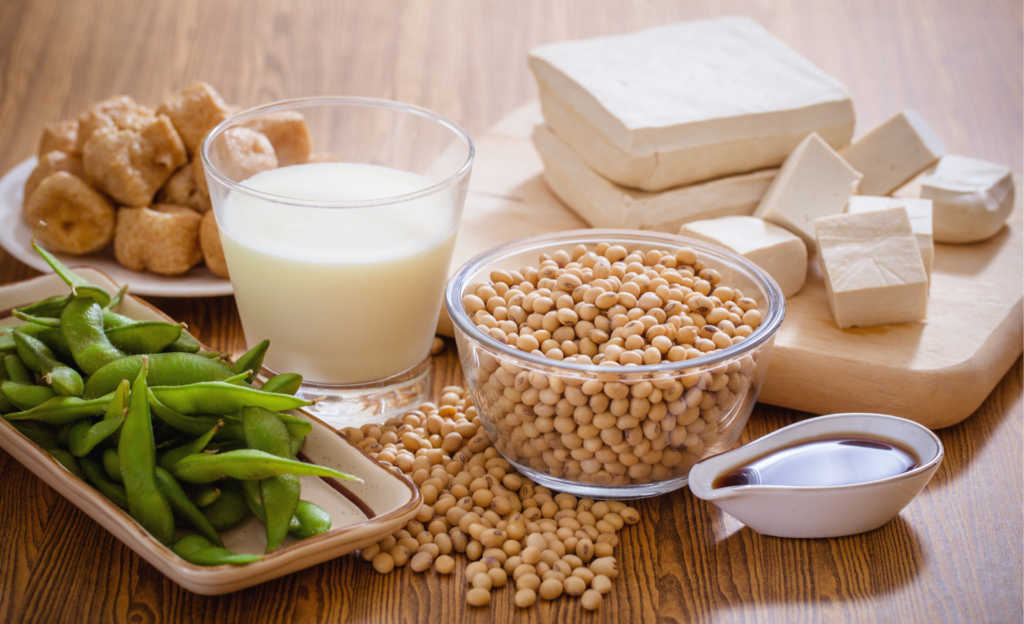
If you’re new to cooking with dried soybeans, soaking them is one of the most important first steps. Whether you plan to make tofu, soy milk, tempeh, or other homemade soy food, properly soaked soybeans are easier to work with and prepare for what comes next.
The process is simple, but a few small details can make a big difference. Here’s what you need to know before you start.
Dried soybeans are firm and compact. Soaking allows them to absorb water, soften, and expand before they are cooked, blended, or processed.
This is especially important when preparing soybeans for homemade foods like tofu and soy milk. If you’re still deciding which beans are best for those recipes, read our guide to choosing the best soybeans for homemade tofu and soy milk.
Soaking is also commonly used with other dried beans because it can help them cook more evenly and reduce cooking time. If you want a little more background on the soaking process, this helpful guide breaks down the basics.
For Laura Soybeans, an overnight soak is a simple and reliable option.
Place your dried soybeans in a large bowl, cover them generously with water, and allow them to soak overnight. Laura Soybeans homemade soy milk recipe recommends soaking the beans for 8-10 hours overnight before draining and rinsing them.
If you know you’ll be cooking the next day, setting your soybeans out to soak the night before makes preparation easy.
Always check the recipe you plan to use, since soaking times may vary slightly depending on what you’re making.
Soybeans expand while soaking, so make sure you give them plenty of water and enough room in the bowl.
Choose a container larger than the amount of dry soybeans you are starting with and make sure the beans stay completely submerged during the soaking process.
A good rule is to use several cups of water for every cup of dried soybeans. The extra space allows the beans to expand without becoming crowded or rising above the water.
After soaking, you soybeans should look noticeably different than they did when dry.
They should be:
The beans do not need to look perfectly identical. The main goal is simply to give them enough time to absorb water and soften before moving on to your recipe.
Yes. Once the soaking time is complete, drain the soaking water and rise the soybeans with fresh water. Rinsing gives you a clean starting point before cooking, blending, or using the beans in another recipe.
If you’re planning to make soy milk next, take a look at our recipe for homemade soy milk.
Soaking soybeans is easy, but a few common mistakes can make the process more difficult.
Not using enough water: Soybeans expand as they soak, so make sure there is enough water to keep them completely covered.
Using a container that is too small: Leave plenty of room for the beans to grow as they absorb water.
Not soaking long enough: If your recipe calls for an overnight soak, give the beans enough time to soften fully.
A good soaking process starts with the right beans.
Using soybeans intended for food preparation gives you a better starting point for homemade recipes. Laura Soybeans are a great option for anyone interested in making soy foods from scratch, whether you’re trying tofu, soy milk, or another recipe.
Once your beans are soaked and ready to go, the fun part begins – deciding what to make next.